Sütlaç recipe: Turkish baked rice pudding with a caramelised top
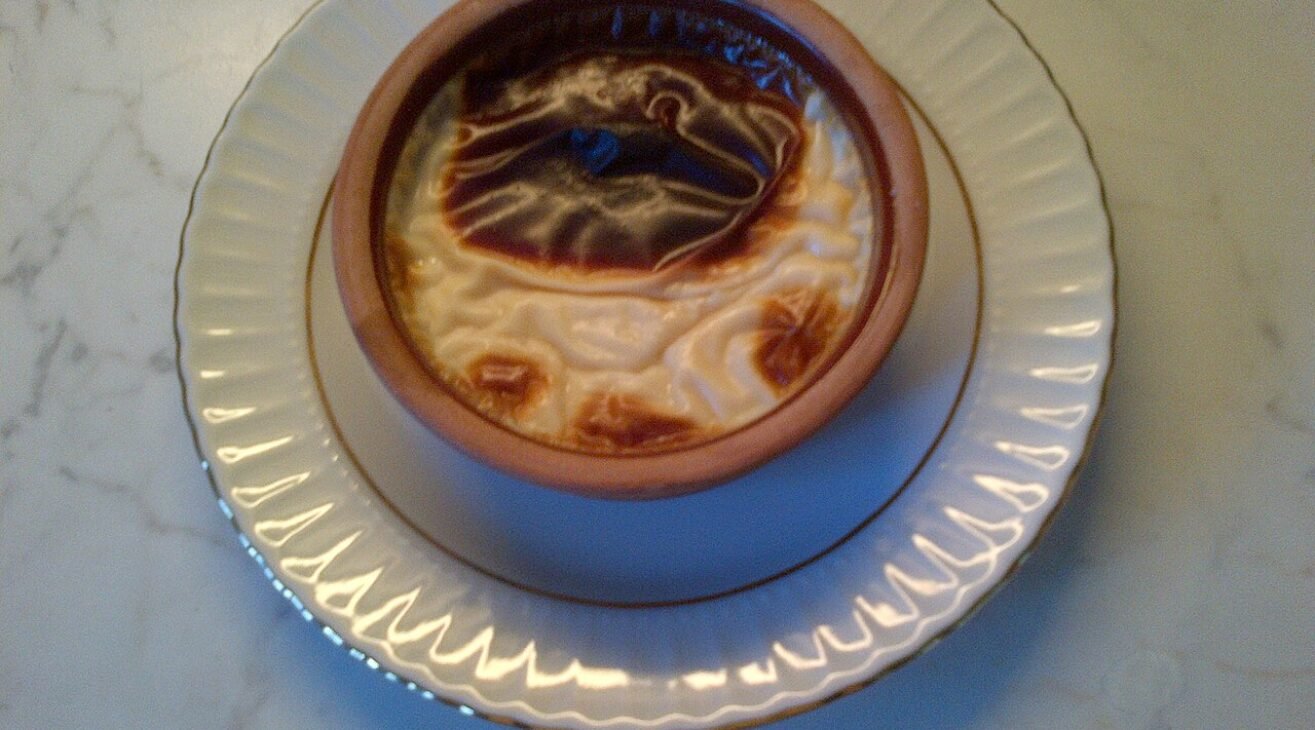
Sütlaç is Turkey’s rice pudding, and the baked version, fırın sütlaç (‘oven sütlaç’), is the one to make. Rice is simmered in milk until creamy, thickened lightly, poured into small earthenware bowls and blasted under high heat until the surface blisters into dark, caramelised spots. Then it is chilled. The result is cool and silky underneath, with a thin, slightly smoky skin on top.
Rice puddings are made all over the world, as Wikipedia’s rice pudding page shows, but the Turkish one is distinct for being served cold and for that burnished top. It is a staple of muhallebici (milk pudding shops) and lokantas, and the Ministry of Culture and Tourism includes it in its collection of Turkish recipes.
What is sütlaç?
The name comes from sütlü aş, ‘dish with milk’. It is part of a big family of Turkish milk desserts that includes muhallebi (a smooth milk pudding), kazandibi (caramelised milk pudding) and tavuk göğsü (a pudding famously made with shredded chicken breast).
Plain and baked
Plain sütlaç is simply cooked on the hob and chilled, often with a dusting of cinnamon. Fırın sütlaç goes one step further: it is set in individual bowls standing in a tray of water and browned in a very hot oven. The water keeps the pudding from boiling over while the top colours.
Flavourings
Turkish sütlaç is deliberately plain: milk, rice, sugar and sometimes vanilla. Some cooks add mastic (a resin with a pine-like fragrance) or a little rose water. Cinnamon or ground hazelnuts on top are a matter of family habit.
Ingredients
Serves 6 (six 200ml ovenproof bowls).
For the pudding
- 100g short-grain rice (baldo or pudding rice)
- 400ml water
- 1 litre whole milk
- 150g caster sugar
- 30g rice flour
- 1 tsp vanilla extract (optional)
To serve
- Ground cinnamon or finely ground hazelnuts (optional)
How to make sütlaç
1. Cook the rice
Rinse the rice, then put it in a heavy saucepan with the water. Bring to the boil, lower the heat and simmer for 15–20 minutes, stirring now and then, until the rice is very soft and most of the water has been absorbed.
2. Add the milk and sugar
Set aside 100ml of the milk. Pour the rest into the pan and bring to a gentle simmer, stirring often so it does not catch. Add the sugar and simmer for 10 minutes.
3. Thicken
Whisk the rice flour into the reserved cold milk until smooth. Pour it into the pan in a thin stream, stirring constantly, and cook for another 5–7 minutes until the pudding coats the back of a spoon like thin custard. Stir in the vanilla, if using. It will thicken more as it cools.
4. Fill the bowls
Heat the oven to 240°C (220°C fan), or its highest setting with the grill element on if you have one. Ladle the pudding into six ovenproof bowls and stand them in a deep roasting tin. Pour cold water into the tin to come halfway up the bowls.
5. Bake until spotted
Put the tin on the top shelf and bake for 15–20 minutes, until the tops are spotted dark brown in places. Watch closely towards the end; every oven browns differently.
6. Chill
Lift the bowls out of the water, let them cool to room temperature, then chill for at least 3 hours, ideally overnight. Serve cold, with a pinch of cinnamon if you like.
Watch: how to make sütlaç
This video shows the water bath and how dark the top should go.
Tips for the best sütlaç
- Use whole milk. Semi-skimmed works but gives a thinner, less creamy pudding.
- Stir often while it simmers and use a heavy pan; milk catches quickly and a scorched base flavours the whole batch.
- Do not overthicken on the hob. The pudding should still pour easily, as it sets considerably in the fridge.
- Cold water in the roasting tin is the trick for a browned top without a boiled, split pudding.
- Earthenware bowls are traditional, but ramekins or small ovenproof glass dishes work well.
- Chill the puddings uncovered for the first hour so condensation does not drip onto the browned tops, then cover them with cling film or a plate for the rest of the time.
What to serve with sütlaç
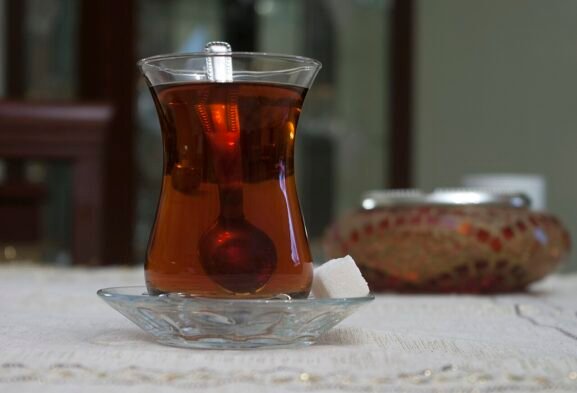
Sütlaç is the light, cool end to a heavy meal. Serve it after a grill dinner of ızgara köfte or İskender kebab, or set it out with baklava for a dessert table. A glass of tea or a Turkish coffee suits it better than anything else.
Where to eat sütlaç in London
Fırın sütlaç is on the dessert counter of many Turkish lokantas and pastry shops in London. Browse our desserts and baklava listings, or try our guide to cheap Turkish food in London for canteens where it comes as the sweet course.
- Mehmet Efendi 1953 – Turkish desserts & baklava in Edgware Road & Marylebone
- Cafer Erol London 1807 – Turkish desserts & baklava in Knightsbridge
- Neco Tantuni ve Künefe – Turkish desserts & baklava in Enfield
- Gaziantep Pastanesi – Turkish bakery & börek in Edmonton
- Mersin Tantuni – Turkish desserts & baklava in Dalston & Stoke Newington
- Bebek Baklava – Turkish desserts & baklava in Dalston & Stoke Newington
See all 15 Desserts & Baklava places in London
Sütlaç FAQs
Is sütlaç served hot or cold?
Almost always cold. It is chilled for several hours after cooking, which also lets it set to a soft, spoonable texture.
Can I make sütlaç without rice flour?
Yes. Use 2 tbsp cornflour instead, mixed with the reserved cold milk. Rice flour gives a slightly smoother, more traditional texture.
Why did my sütlaç not brown on top?
The oven was not hot enough, or the bowls were too low. Use the top shelf and the highest heat, or finish under a hot grill for a few minutes.
How long does sütlaç keep?
Covered in the fridge, it keeps for 3–4 days. The top softens a little over time but the flavour holds.
Photo: E4024, CC BY-SA 4.0, via Wikimedia Commons.