Turkish tea recipe: how to brew çay in a çaydanlık
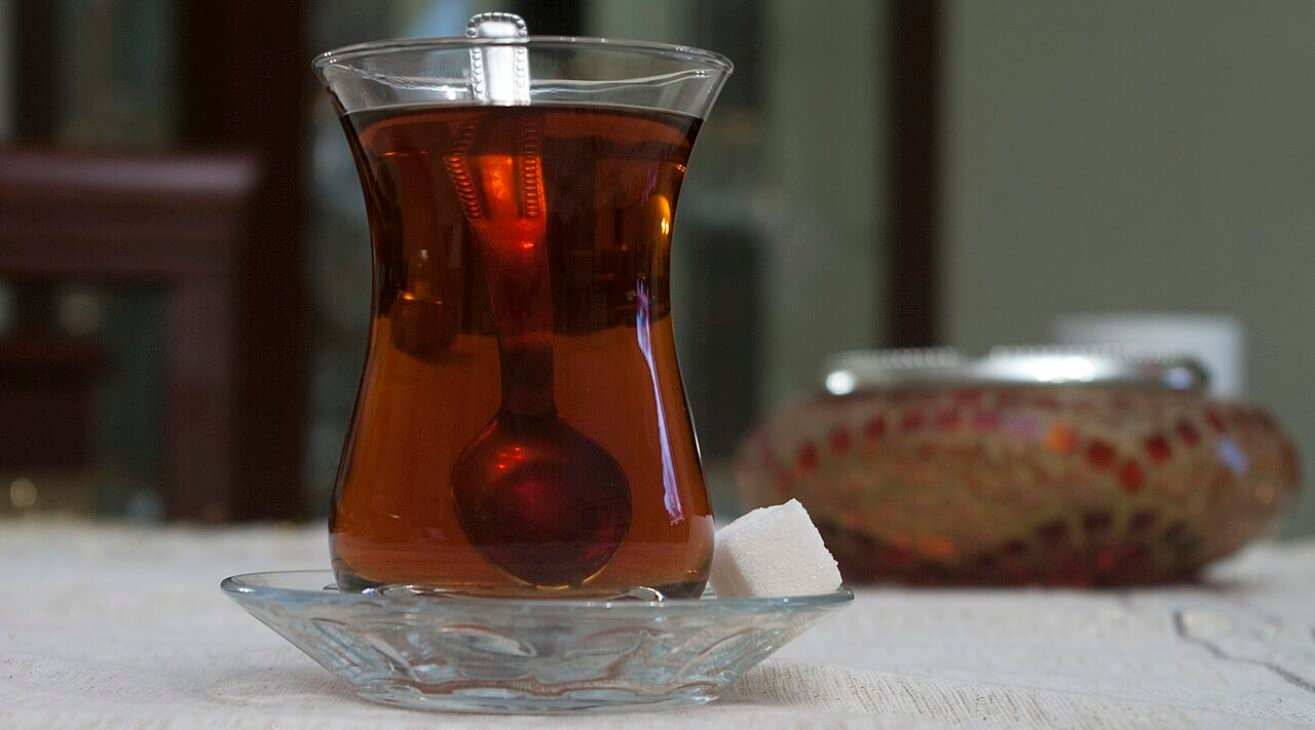
Çay (chai), Turkish black tea, is drunk all day long in Turkey: at breakfast, in offices, at the barber’s, in tea gardens and after every meal. It comes in small, tulip-shaped glasses, deep red-amber and too hot to hold anywhere but the rim, with a couple of sugar cubes on the saucer. It is never served with milk, and it is made in a way that lets everyone have it exactly as strong as they like.
The trick is the çaydanlık (double teapot): water boils in the bottom pot while a strong brew steeps in the smaller pot on top. Each glass is part brew, part hot water. Turkey drinks more tea per person than any other country, according to the Wikipedia entry on Turkish tea, and most of what is grown at home comes from the Black Sea coast.
What is Turkish tea?
Turkish tea is a black tea, mostly grown in Rize province on the eastern Black Sea coast, where the mild, wet climate suits the tea bush. Experiments with tea in Rize began in 1912, and large plantations were established between 1939 and 1945. Tea became the everyday hot drink as coffee grew expensive after the end of the Ottoman Empire.
Çaykur and the Black Sea tea
For decades the state-owned tea corporation, now Çaykur, held a monopoly and bought most of the crop. The monopoly was lifted in the 1980s, but Çaykur, based in Rize, is still the best-known brand, and you will find several Turkish brands in London grocers. Look for loose-leaf tea labelled Rize or Karadeniz (Black Sea).
Strong or light: koyu and açık
Because every glass is diluted to order, you will hear people ask for their tea koyu (strong, dark) or açık (light). Turks often describe the ideal colour as tavşan kanı, “rabbit’s blood”: a clear, deep ruby red.
Ingredients
Makes 8 to 10 tulip glasses. You will need a çaydanlık, or a small teapot that sits securely on top of a kettle-style pan.
- About 1.2 litres fresh cold water
- 4 heaped tbsp (about 25g) loose-leaf Turkish black tea
- Sugar cubes, to serve (optional)
How to make Turkish tea
1. Fill the bottom pot
Fill the large bottom pot about three-quarters full with fresh cold water, around 1 litre. Put the dry tea leaves in the small top pot and set it on top. Bring the water to the boil over a medium-high heat. The steam gently warms the leaves while you wait.
2. Pour water onto the leaves
When the water boils, lift off the top pot and pour boiling water from the bottom pot over the leaves until the top pot is about two-thirds full, roughly 300ml. Top the bottom pot back up with about 200ml fresh water.
3. Let it steep
Put the top pot back in place, turn the heat down to its lowest setting and leave the tea to steep (demlenmek) for 10 to 15 minutes. The water in the bottom pot should simmer gently; the tea on top should never boil, or it turns bitter.
4. Pour and dilute
Pour the brew through a small strainer into each glass, filling it about a third of the way for medium tea, half for strong, or a quarter for light. Top up with hot water from the bottom pot, leaving a little space below the rim. Hold the glass up to the light: it should be clear and ruby red.
5. Keep it going
Leave the çaydanlık on the lowest heat while you drink, topping up the bottom pot as needed. After about 45 minutes the brew starts to taste stewed; tip out the leaves and start again for the next round.
Watch: how to make Turkish tea
This video shows the two-pot method and how the brew is diluted in the glass.
Tips for the best Turkish tea
- Use Turkish loose-leaf tea. It is cut fine for long steeping; tea bags and other black teas do not give the same flavour.
- Always start with fresh cold water. Reboiled water makes flat tea.
- Never boil the top pot. A gentle steep over simmering water is what gives clear, smooth tea.
- Warm the glasses with a splash of hot water first so the tea stays hot longer.
- Serve sugar on the side and let people sweeten their own. Milk and lemon are rarely added.
- If you do not have a çaydanlık, set a small teapot on top of a saucepan of simmering water.
What to serve with Turkish tea
Tea is the drink of a Turkish breakfast, so serve it with warm simit, cheese-filled poğaça and a pan of menemen. The Wikipedia entry on Turkish breakfast notes that the word for breakfast, kahvaltı, means “before coffee”; tea is what you drink with it. In the afternoon, pour it alongside a plate of baklava or homemade biscuits.
Where to drink Turkish tea in London
Turkish cafés, breakfast spots and patisseries in London serve çay in tulip glasses, usually brewed in a big çaydanlık behind the counter. Browse our Turkish café listings and Turkish breakfast listings, and read our guide to Turkish breakfast in London.
- Çeşme Bazlama Kahvaltı Chingford – Turkish breakfast in Chingford
- The Garden House (Kitabevi) – Turkish breakfast in Tottenham
- Istanbul Café & Bistro – Turkish ocakbaşı & grill in Soho & West End
- Emy’s Kitchen – Turkish breakfast in Finsbury Park
- Demezka Cafe – Turkish breakfast in Edmonton
- Sixty Six Coffee – café and Turkish coffee in Edgware Road & Marylebone
See all 23 Café & Turkish Coffee places in London
Turkish tea FAQs
Can I make Turkish tea without a çaydanlık?
Yes. Brew the leaves in a small teapot and keep it warm on top of a saucepan of simmering water, with a kettle of hot water for diluting. A çaydanlık is cheap at any Turkish grocer, though, and makes the job much easier.
How much caffeine is in Turkish tea?
It is a black tea, so it contains caffeine. Light tea (açık) has less per glass than strong (koyu) because more of the glass is water.
Why is my Turkish tea cloudy or bitter?
Usually the top pot boiled, or the tea was left steeping too long. Keep the heat low and brew a fresh pot every 45 minutes or so.
Do Turks drink tea with milk?
Almost never. Turkish tea is drunk black, with or without sugar.
Photo: Zeynel Cebeci, CC BY-SA 4.0, via Wikimedia Commons.