Nohut yemeği recipe: Turkish chickpea stew with lamb
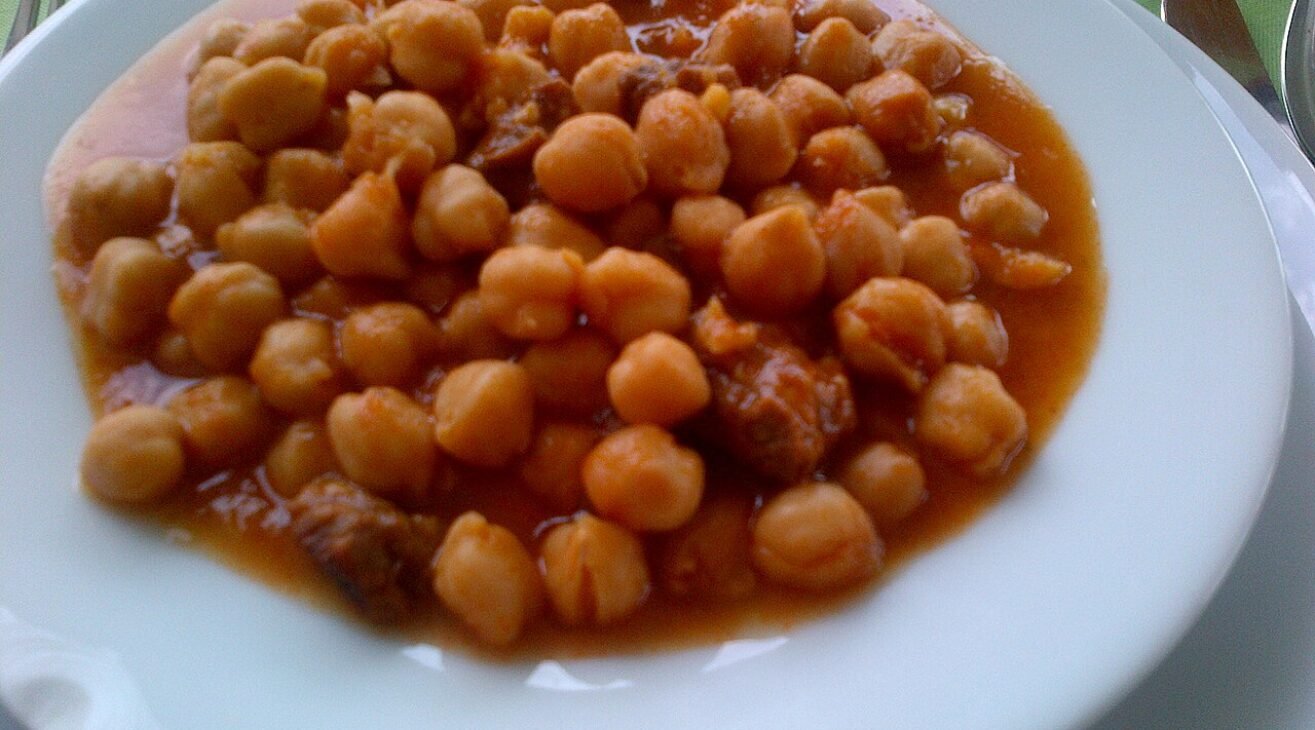
Nohut yemeği simply means “chickpea dish”, and in Turkey it is the everyday stew of chickpeas cooked with onion, red pepper paste and, very often, small pieces of lamb or beef. The chickpeas soak up the sauce as they cook, so each one is soft, nutty and full of flavour, and the sauce ends up thick enough to coat a spoonful of rice.
Chickpeas have a very long history here. According to Wikipedia’s chickpea article, early chickpea remains have been found at Çayönü in modern Turkey, dated to between 7500 and 6800 BCE. Today the stew is a fixture of home kitchens and of the esnaf lokantası, the modest tradesmen’s restaurants that serve home-style food from steaming trays.
What is nohut yemeği?
Nohut yemeği belongs to the family of sulu yemekler, Turkish stews with plenty of cooking liquid that are eaten with rice or bread. The meat version is usually called etli nohut (chickpeas with meat); the version without meat is etsiz nohut or simply nohut yemeği.
It is a close cousin of kuru fasulye, the white bean stew, and the two are cooked in almost the same way. Lokantas often serve them side by side, and many people order a plate with a scoop of each next to their pilav.
Variations
Some cooks add diced potato or carrot to stretch the pot. In parts of Anatolia the chickpeas are cooked with tripe, a dish listed in the Wikipedia overview of Turkish cuisine as işkembeli nohut. Some cooks like it spicier, with hot pepper paste and extra chilli, while others finish it with a spoonful of butter and dried mint.
Ingredients
Serves 4–6. Soak the chickpeas the night before.
For the chickpeas
- 300g dried chickpeas
- 1 tsp bicarbonate of soda (optional, for soaking)
For the stew
- 3 tbsp olive oil
- 20g butter
- 300g boneless lamb shoulder or beef, cut into 2cm cubes
- 1 large onion (about 200g), finely chopped
- 1 green pepper (Turkish çarliston or a small green bell pepper), chopped
- 2 garlic cloves, chopped
- 1 tbsp Turkish red pepper paste (biber salçası)
- 1 tbsp tomato paste
- 1.2 litres hot water or light stock
- 1–1½ tsp salt
- ½ tsp black pepper
- 1 tsp pul biber (Turkish chilli flakes)
- ½ tsp dried mint (optional)
How to make nohut yemeği
1. Soak the chickpeas
Cover the chickpeas with plenty of cold water, stir in the bicarbonate of soda if using, and leave to soak for 12 hours or overnight. Drain and rinse well.
2. Pre-cook the chickpeas
Put the chickpeas in a pan with fresh water, bring to the boil and simmer for 30–40 minutes, skimming any foam, until they are starting to soften but still firm in the middle. Drain.
3. Brown the meat
Heat the oil and butter in a heavy casserole over a medium-high heat and brown the meat well on all sides, about 8 minutes. If your pan is small, do this in two batches.
4. Make the base
Lower the heat to medium and add the onion and green pepper. Cook for 8–10 minutes until soft. Add the garlic for a minute, then stir in the pepper paste and tomato paste and fry for 2 minutes, until the pastes darken and smell sweet.
5. Simmer slowly
Add the chickpeas, hot water and black pepper. Bring to the boil, then reduce to a gentle simmer, part-cover and cook for 1 hour–1 hour 15 minutes, until the meat is tender and the chickpeas are creamy right through. Season with salt for the last 20 minutes, adding a little hot water if the sauce gets too thick.
6. Finish with chilli and mint
Stir in the pul biber and dried mint, simmer for another minute, then turn off the heat and leave to rest for 15 minutes with the lid on. The sauce will thicken a little as it settles.
Watch: how to make nohut yemeği
This video walks through a similar chickpea stew from start to finish.
Tips for the best nohut yemeği
- Pre-cooking the chickpeas before they go into the sauce stops them staying hard once the tomato goes in.
- A pinch of bicarbonate in the soaking water helps very old or hard chickpeas, but rinse them well afterwards.
- Lamb on the bone (neck or shoulder chops) gives an even richer sauce; just simmer a little longer.
- Use tinned chickpeas for a quick weeknight version: two 400g tins, drained, and 30 minutes of simmering is enough.
- For a vegetarian version, leave out the meat, add one diced potato and one carrot, and use vegetable stock.
What to serve with nohut yemeği
Serve nohut yemeği with plain rice pilav or bulgur pilaf, plus pickles and a fresh çoban salatası. A bowl of mercimek çorbası (red lentil soup) is a classic lokanta starter, and ayran is the natural drink alongside.
Where to eat nohut yemeği in London
Chickpea stew is a regular on the counters of London’s Turkish home-cooking cafés and canteen-style restaurants. Find one near you in our home cooking and lokanta listings, and see our round-up of popular Turkish dishes for what else to order.
- Sofra Mayfair – Turkish home cooking in Soho & West End
- Üstün Lahmacun & Pide Salonu – Turkish home cooking in Newington Green
- 27 Lahmacun – Turkish gözleme & mantı in Tottenham
- Antep Taş Fırın Harringay – Turkish home cooking in Harringay & Green Lanes
- OTE – Turkish home cooking in Soho & West End
- Haringey Çorbacısı – Turkish home cooking in Harringay & Green Lanes
See all 15 Home Cooking (Lokanta) places in London
Nohut yemeği FAQs
Do I have to soak the chickpeas?
For dried chickpeas, yes. Unsoaked chickpeas take much longer to cook and rarely become creamy. If you forget, use tinned chickpeas instead.
Can I make nohut yemeği in a pressure cooker?
Yes. Brown the meat and make the base as above, add soaked (not pre-cooked) chickpeas and the water, then cook for about 25 minutes at high pressure. Let the pressure drop naturally.
What is the difference between etli nohut and nohut yemeği?
Etli nohut is the meat version. Nohut yemeği is the general name for the chickpea stew, with or without meat.
How long does it keep?
It keeps for 3–4 days in the fridge and freezes well for up to 3 months. The flavour improves after a day.
Photo: E4024, CC BY-SA 4.0, via Wikimedia Commons.