Şekerpare recipe: soft Turkish semolina biscuits in syrup
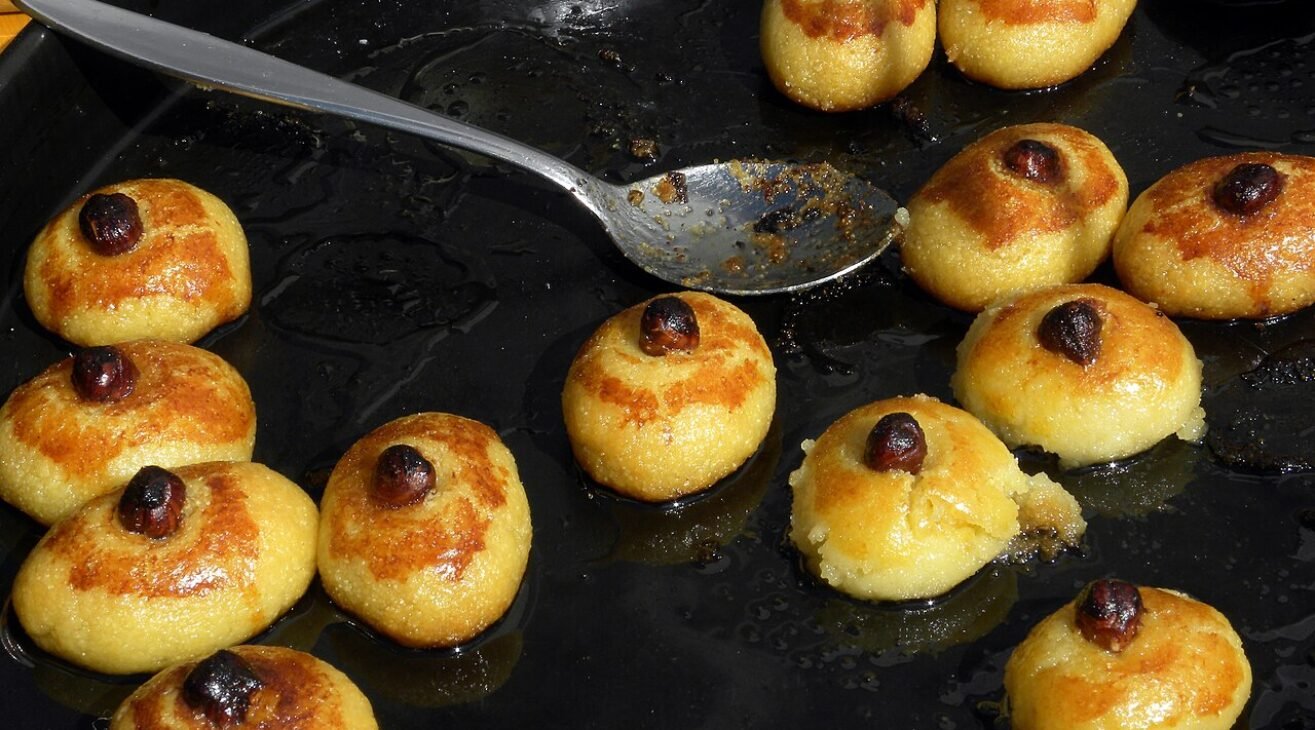
Şekerpare (sheh-ker-pah-reh) are little domed biscuits made with butter and semolina, each crowned with an almond, baked until golden and then soaked in syrup. They start out like shortbread and end up somewhere between a biscuit and a cake: tender, damp with syrup and rich with butter. A plate of them on the table usually means someone is expecting guests.
The name translates as “piece of sugar”, and the Wikipedia entry on şekerpare notes that a similar syrup sweet appears in sources from the second half of the 19th century, when it was served on elite iftar tables. It is still a Ramadan favourite today, but it is just as welcome with an afternoon glass of tea.
What is şekerpare?
Şekerpare is a semolina biscuit, topped with a nut, baked and soaked in şerbet (sugar syrup). It is one of the classic homemade Turkish sweets; the Wikipedia overview of Turkish cuisine notes that a 1966 revised edition of a popular Turkish cookbook gave far more space to traditional sweets such as şekerpare, baklava and helva.
The name
Şeker means sugar and pare means piece; the name is a compound of Arabic and Persian words. In Egypt and the Levant a very similar biscuit is called rumūsh al-sitt, or “lady’s eyelashes”.
A sweet for Ramadan and Bayram
In Turkey, şekerpare is at its most popular during Ramadan, when it is made for iftar, the evening meal that breaks the fast, and in the days of Bayram that follow, when families visit each other and every host puts out a plate of sweets. Because it keeps well for a few days, it is a practical thing to bake ahead for a stream of visitors.
Variations
Most families top şekerpare with a blanched almond, but hazelnuts and pistachios are common too. Some add a little coconut or lemon zest to the dough, and pastry shops often make them larger and flatter, scored with a fork.
Ingredients
Makes about 24 biscuits.
For the syrup
- 400g granulated sugar
- 400ml water
- 1 tbsp lemon juice
For the biscuits
- 125g unsalted butter, softened
- 100g icing sugar
- 1 medium egg
- 1 tsp vanilla extract
- 100g fine semolina
- 200g plain flour
- 1 tsp baking powder
- A pinch of salt
To decorate
- 24 blanched almonds or whole hazelnuts
- 1 egg yolk, beaten with 1 tsp water
How to make şekerpare
1. Make the syrup
Boil the sugar and water for 10 minutes, add the lemon juice and set aside to cool completely. As with all Turkish syrup sweets, the syrup goes on cold.
2. Make the dough
Beat the butter and icing sugar until pale and creamy. Beat in the egg and vanilla, then add the semolina, flour, baking powder and salt and mix with your hands into a soft dough that no longer sticks to the bowl. Leave it to rest for 15 minutes so the semolina can absorb some moisture.
3. Shape the biscuits
Heat the oven to 180°C (160°C fan) and lightly butter a deep baking tin or roasting dish, about 25 x 35cm. Roll the dough into 24 balls about the size of a walnut (roughly 25g each). Set them in the tin, about 3cm apart, flatten each slightly and press an almond into the centre.
4. Glaze and bake
Brush the tops with the beaten yolk. Bake for 20 to 25 minutes, until the biscuits are deep golden on top and lightly coloured underneath. They need to be well baked to hold up to the syrup.
5. Soak
Take the tin out of the oven and immediately pour the cold syrup over the hot biscuits. They will look as if they are swimming. Leave them for 2 to 3 hours, spooning the syrup over now and again, until they have soaked most of it up and turned soft and glossy.
Watch: how to make şekerpare
This video shows the dough, shaping and syrup soak from start to finish.
Tips for the best şekerpare
- Bake them in the dish you will soak them in. Moving hot şekerpare from tray to dish risks breaking them.
- Do not underbake. Pale şekerpare collapse in the syrup; deep golden ones soak up the syrup and keep their shape.
- Use fine semolina. Coarse semolina gives a gritty texture.
- Keep spooning syrup over the tops while they soak, so the almond-topped side softens as much as the base.
- Şekerpare keep for 3 to 4 days, covered, at cool room temperature.
What to serve with şekerpare
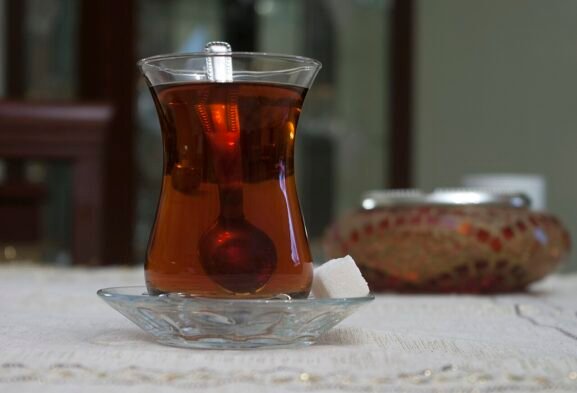
Şekerpare are made for tea time. Serve them with a glass of Turkish tea or a small cup of Turkish coffee. For a spread of homemade sweets, add a tray of lemony revani, which uses the same cold-syrup method.
Where to eat şekerpare in London
You will find şekerpare at Turkish patisseries and bakeries across London, especially in the run-up to Ramadan and Bayram. Browse our desserts and baklava listings and our guide to the best baklava in London for shops that bake their own syrup sweets.
- Şehr-i Antep Enfield – Turkish desserts & baklava in Enfield
- Mehmet Efendi 1953 Whitechapel – Turkish desserts & baklava in Whitechapel
- AntepHan Baklava & Künefe – Turkish desserts & baklava in Enfield
- Ayintap Pastanesi – Turkish bakery & börek in Edmonton
- Kahve Dünyası Piccadilly – Turkish desserts & baklava in Soho & West End
- Pera Artisan Patisserie – Turkish bakery & börek in Harringay & Green Lanes
See all 15 Desserts & Baklava places in London
Şekerpare FAQs
Why did my şekerpare go mushy?
Either they were underbaked or the syrup was warm. Bake until deep golden and make sure the syrup is completely cold before pouring.
Why are my şekerpare hard?
The syrup was too thick, or they did not soak long enough. Give them the full 2 to 3 hours and check the syrup is not boiled for longer than 10 minutes.
Can I use margarine instead of butter?
Many Turkish home cooks do, but butter gives a much better flavour. Use a block baking margarine rather than a soft spread if you swap.
Photo: Haeferl, CC BY-SA 3.0, via Wikimedia Commons.