Aşure recipe: Noah’s pudding with grains, fruit and nuts
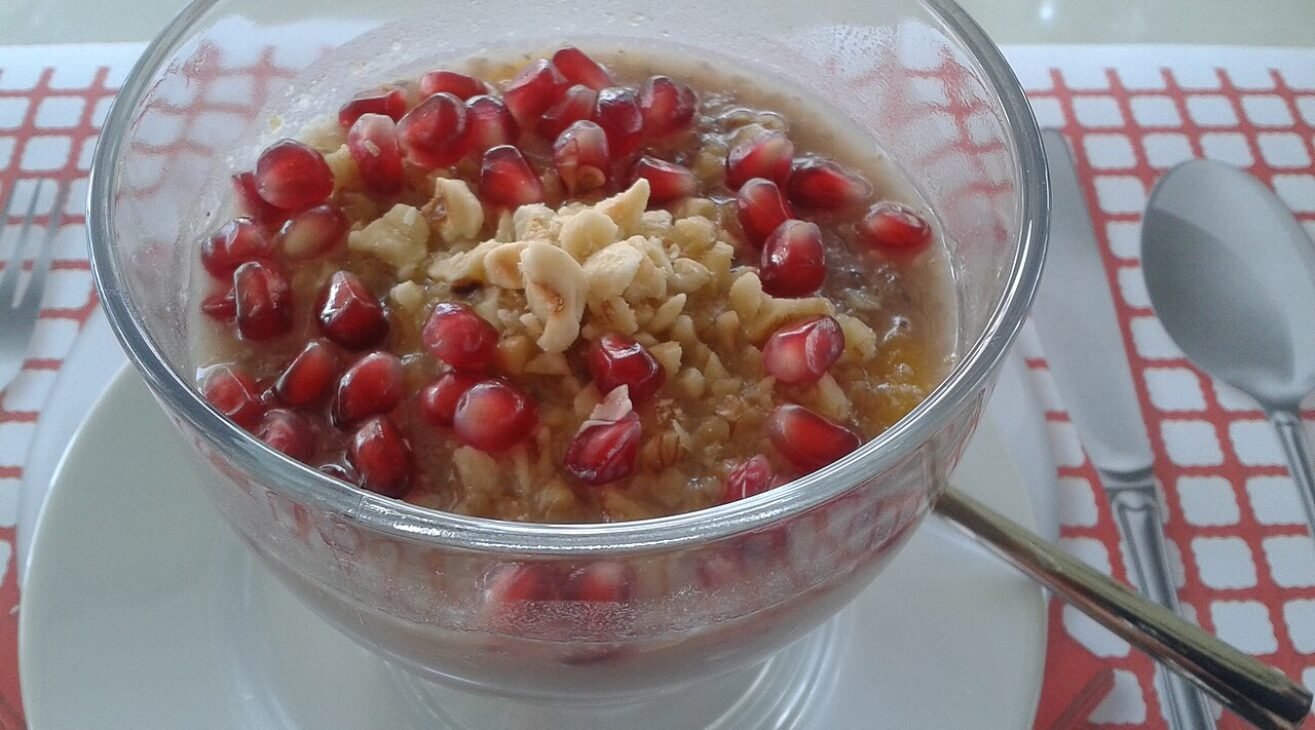
Aşure (ah-shoo-reh) is a pudding unlike any other in the Turkish kitchen. Whole wheat, chickpeas and white beans are simmered until soft, then cooked again with dried apricots, figs and raisins until the pot turns thick and glossy. Each bowl is topped with walnuts, pomegranate seeds and cinnamon. It is sweet but not sugary, hearty, fruity and full of texture.
It also comes with a story. Legend says that when Noah’s ark came to rest, his family cooked up the last grains, pulses and dried fruit on board into one pudding, which is why it is also called Noah’s pudding. In Turkey it is made in huge batches during Muharram, the first month of the Islamic calendar, and handed out to neighbours, friends and colleagues regardless of their faith, as the Wikipedia entry on ashure describes.
What is aşure?
Aşure is a sweet pudding of grains, pulses, dried fruit and nuts. The name comes from the Arabic Ashura, meaning “tenth”, because it is traditionally made around the tenth day of Muharram. Dishes of boiled whole grains like it are much older still, and are thought to go back to the spring and harvest rites of early farmers in the Near East.
A concept rather than a fixed recipe
As Atlas Obscura notes, aşure is more an idea than a set dish. Wheat or barley and chickpeas are almost always there, but each family adds its own mix of rice, beans and dried fruit such as figs and apricots. Tradition says it should contain at least seven ingredients, and Alevis always use twelve.
Sharing it out
The custom of giving aşure is as important as eating it. People make far more than they need and carry bowls to the neighbours. It is a good-natured, generous dish, and a good reason to make a big pot.
Ingredients
Serves 12 to 15. Start the night before so the grains and pulses can soak.
For the pudding
- 200g whole wheat grains (aşurelik buğday, sold at Turkish grocers) or pearled wheat
- 80g dried chickpeas
- 80g dried haricot or cannellini beans
- 40g short-grain rice
- 2.5 litres water, plus extra for cooking the pulses
- 250g granulated sugar
- 100g dried apricots, chopped
- 100g dried figs, chopped
- 60g sultanas or raisins
- Finely grated zest of 1 orange
- 1 tbsp rosewater (optional)
For the toppings
- 60g walnuts, roughly chopped
- Seeds of 1 pomegranate
- 2 tbsp chopped pistachios or hazelnuts
- Ground cinnamon
- Desiccated coconut (optional)
How to make aşure
1. Soak overnight
Put the wheat, chickpeas and beans in three separate bowls, cover each generously with cold water and soak overnight.
2. Cook the wheat
Drain the wheat, put it in a large, heavy pan with 2.5 litres fresh water and bring to the boil. Simmer gently, partly covered, for about 1 hour, until the grains burst open and the water turns cloudy and starchy. Add the rice for the last 20 minutes.
3. Cook the pulses
While the wheat cooks, drain the chickpeas and beans and boil them in separate pans of fresh water for 45 minutes to 1 hour, until tender. Drain and rinse. If you are short of time, use one 400g tin each of chickpeas and cannellini beans, rinsed, and skip the soaking for them.
4. Bring it all together
Add the chickpeas, beans, sugar, apricots, figs, sultanas and orange zest to the wheat. Simmer for 30 minutes, stirring often so nothing catches, until the mixture is thick enough to coat a spoon. Add a splash of hot water if it gets too stiff. It will thicken a lot more as it cools.
5. Finish and portion
Take the pan off the heat and stir in the rosewater, if using. Ladle into small bowls and leave to cool to room temperature, then chill if you like.
6. Top and share
Just before serving, top each bowl with walnuts, pomegranate seeds, pistachios and a dusting of cinnamon. Then do the traditional thing and take a few bowls next door.
Watch: how to make aşure
This video walks through cooking the grains and pulses and finishing the pudding.
Tips for the best aşure
- Cook the pulses separately from the wheat. Chickpeas and beans cook at different rates and can discolour the pudding.
- Do not skimp on cooking the wheat. It needs to burst and release its starch; that is what thickens the pudding without flour.
- Stir often once the sugar goes in. Sugary aşure catches easily on the bottom of the pan.
- Keep the toppings separate until serving so the nuts stay crunchy and the pomegranate stays bright.
- Aşure keeps for 4 to 5 days in the fridge and tastes even better on day two.
What to serve with aşure
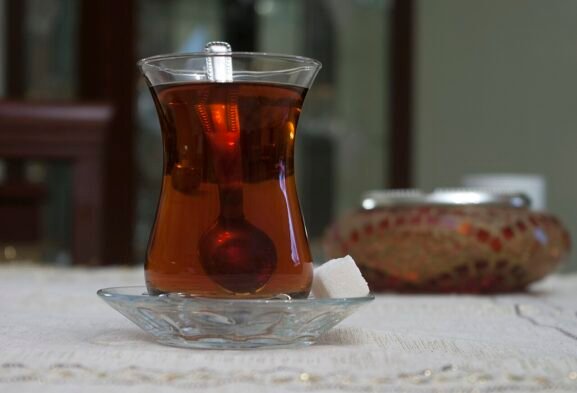
Aşure is a meal in a bowl, so serve it on its own with a glass of Turkish tea. For a pudding table, set it alongside a cool, baked sütlaç and squares of kazandibi.
Where to eat aşure in London
Turkish patisseries and dessert cafés in London often make aşure around Muharram, and some keep it year-round in the chiller cabinet. Browse our desserts and baklava listings and read our guide to the best baklava in London for the shops worth a detour.
- Kahve Dünyası Piccadilly – Turkish desserts & baklava in Soho & West End
- Ayintap Pastanesi – Turkish bakery & börek in Edmonton
- AntepHan Baklava & Künefe – Turkish desserts & baklava in Enfield
- Şehr-i Antep Enfield – Turkish desserts & baklava in Enfield
- Mehmet Efendi 1953 Whitechapel – Turkish desserts & baklava in Whitechapel
- Hafız Mustafa 1864 Knightsbridge – Turkish desserts & baklava in Knightsbridge
See all 15 Desserts & Baklava places in London
Aşure FAQs
Why is aşure called Noah’s pudding?
Legend says Noah’s family made it from the last of their supplies once the ark came to rest. It is traditionally given to neighbours whatever their religion, as an offering of peace and goodwill.
When is aşure made?
Traditionally during Muharram, especially around the tenth day, the Day of Ashura. Many people also make it at other times simply because they love it.
Is aşure vegan?
Yes, the base recipe contains no dairy or eggs. Check the toppings: some cooks add a little milk, but this version does not.
Can I use tinned chickpeas and beans?
Yes. Add them, rinsed, at step 4. The wheat still needs soaking and long cooking, as it forms the body of the pudding.
Photo: E4024, CC BY-SA 4.0, via Wikimedia Commons.