Poğaça recipe: soft Turkish cheese buns for breakfast
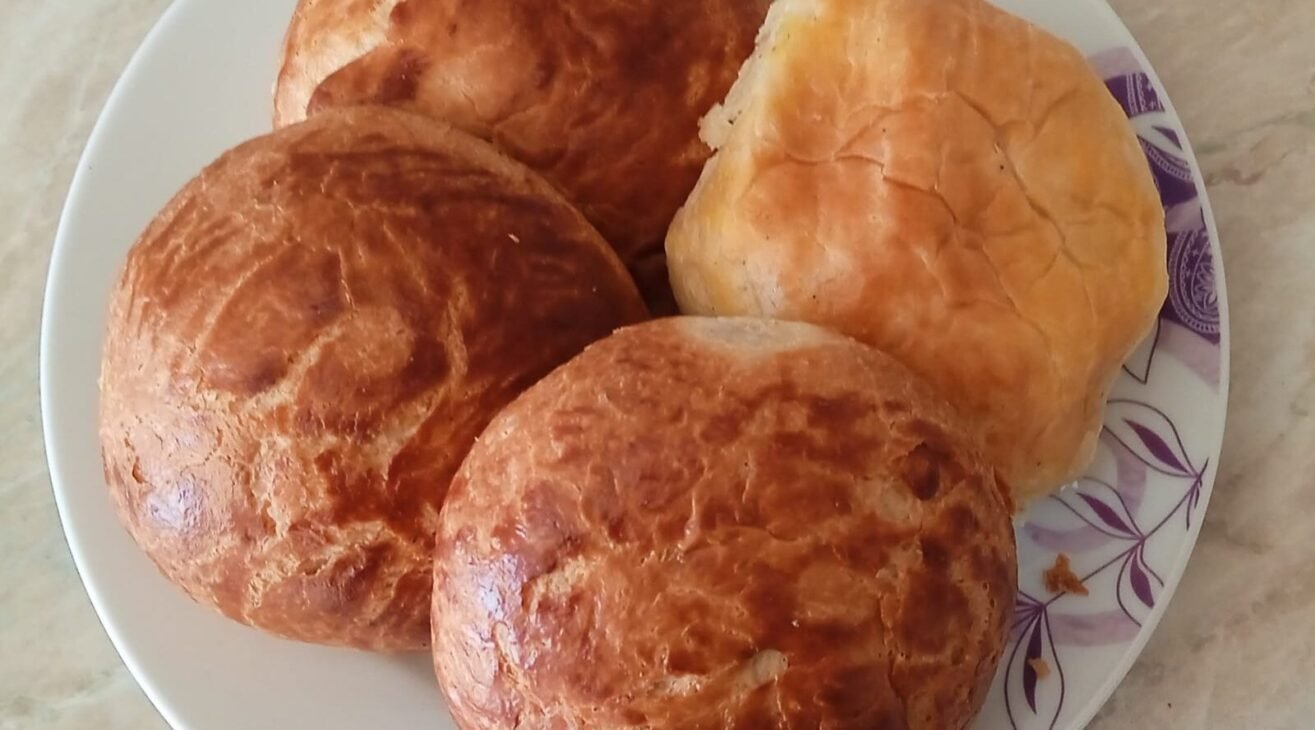
Poğaça (poh-ah-cha) are the soft, golden buns you see stacked in the window of every Turkish bakery in the morning. Pull one open and the crumb is tender and slightly flaky, rich with yoghurt and butter, and the middle holds a little pocket of salty white cheese and parsley. They are eaten warm for breakfast, packed for the school run and offered to guests with tea.
Savoury buns of the same name are baked from the Balkans to Hungary, and the word itself goes back to the Latin panis focacius, hearth-baked bread, as the Wikipedia entry on pogača explains. This home recipe makes a batch of 16 and is forgiving enough for a first attempt at Turkish baking.
What is poğaça?
Poğaça is a soft, enriched savoury bun, usually filled and topped with seeds. The Wikipedia overview of Turkish cuisine lists it among the classic items of a Turkish breakfast. In Turkey it is mostly filled with beyaz peynir (white cheese, similar to feta), but olives, potato, minced beef and onion are all common.
Types of poğaça
Bakeries in Turkey sell several kinds. The everyday version is a yeasted, yoghurt-and-oil dough, like this one. There are also flaky, layered poğaça made with puff pastry-style dough, and the very rich, crumbly mayasız poğaça, made without yeast, which is closer to a savoury scone. Shapes vary from half-moons to rounds and knots.
Relatives across the region
Pogača is a staple across the Balkans, Hungarian pogácsa is listed as a Hungarikum, a national speciality, and you will find versions in Romania, Albania, Austria and Slovakia, often topped with the same sesame and nigella seeds.
Ingredients
Makes 16 buns.
For the dough
- 500g plain flour, plus a little extra for shaping
- 7g sachet fast-action dried yeast
- 1 tbsp caster sugar
- 1½ tsp fine salt
- 150ml whole milk, lukewarm
- 100g full-fat plain yoghurt
- 100ml sunflower oil
- 50g unsalted butter, melted and cooled
- 1 egg white (keep the yolk for the glaze)
For the filling
- 200g Turkish white cheese or feta, crumbled
- 15g flat-leaf parsley, finely chopped
For the topping
- 1 egg yolk, beaten with 1 tbsp milk
- 1 tsp çörek otu (nigella seeds)
- 1 tbsp sesame seeds
How to make poğaça
1. Make the dough
Mix the flour, yeast, sugar and salt in a large bowl. Add the milk, yoghurt, oil, melted butter and egg white and mix into a dough. Knead in the bowl for 5 minutes. It will be very soft and slightly oily, but it should come away from your hands; add a tablespoon more flour if it is sticky. Turkish cooks say it should feel as soft as an earlobe.
2. Let it rise
Cover the bowl and leave the dough in a warm place for about 1 hour, until doubled in size.
3. Mix the filling
Crumble the cheese into a bowl and mix in the parsley. Taste: if the cheese is very salty, you will not need any extra seasoning.
4. Shape the buns
Line two baking trays with baking paper. Divide the dough into 16 pieces (about 60g each) and roll each into a ball. Flatten one ball into a 10cm round in your palm, put a heaped teaspoon of filling in the middle, fold it into a half-moon and press the edges firmly to seal. Repeat with the rest and set them on the trays, seam down or seam to the side, leaving space between them.
5. Second rise and glaze
Leave the buns to rise for 20 minutes while you heat the oven to 190°C (170°C fan). Brush them with the egg yolk and milk, then scatter over the nigella and sesame seeds.
6. Bake
Bake for 20 to 25 minutes, until puffed and deep golden on top. Cool on the trays for 5 minutes, then eat warm.
Watch: how to make poğaça
This video shows the dough texture, filling and shaping in detail.
Tips for the best poğaça
- Keep the dough soft. A stiff dough makes dry, bready buns; it should feel almost too soft to handle.
- Seal the edges well, or the cheese will leak out in the oven.
- Do not overfill. A heaped teaspoon is plenty, and it keeps the buns plump rather than flat.
- For extra flavour, add a little grated kaşar (a mild, melting Turkish cheese) or chopped dill to the filling.
- Poğaça freeze well once baked. Reheat from frozen at 180°C (160°C fan) for 8 to 10 minutes.
What to serve with poğaça
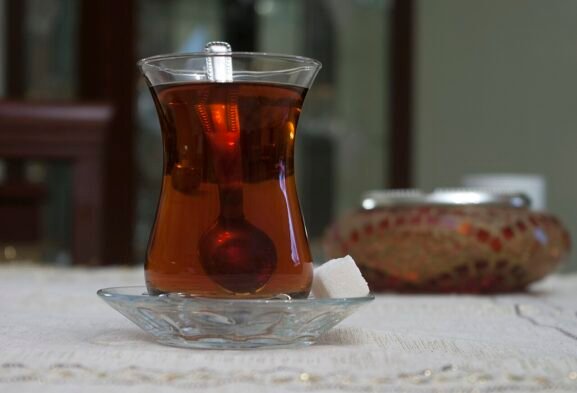
Serve poğaça as part of a Turkish breakfast spread, with a glass of Turkish tea, a pan of menemen and some sesame-crusted simit. For a savoury pastry plate, add a few crisp sigara böreği.
Where to eat poğaça in London
Turkish bakeries and börek shops across London bake poğaça fresh every morning, and many breakfast cafés serve it with their spreads. Browse our Turkish bakery and börek listings and Turkish breakfast listings, or read our guide to Turkish breakfast in London.
- Levent Börek Fitzrovia – Turkish bakery & börek in Soho & West End
- Ayintap Pastanesi – Turkish bakery & börek in Edmonton
- Pera Artisan Patisserie – Turkish bakery & börek in Harringay & Green Lanes
- Sultan Kitchen Walthamstow – Turkish bakery & börek in Walthamstow
- Taş Fırın Edmonton – Turkish bakery & börek in Edmonton
- Pitted Olive – Turkish bakery & börek in Bloomsbury & Holborn
See all 16 Bakery & Börek places in London
Poğaça FAQs
What cheese is used in poğaça?
Turkish beyaz peynir (white cheese) is traditional. Feta is the easiest substitute; a mix of feta and a little grated mozzarella or kaşar gives a softer, meltier filling.
Can I make poğaça without yeast?
Yes, that is mayasız poğaça. It uses baking powder and more butter and yoghurt, and has a richer, more crumbly texture.
How long does poğaça keep?
It is best on the day it is baked. Keep leftovers in an airtight bag for up to 2 days and warm them briefly in the oven before eating.
Photo: Samizambak, CC BY-SA 4.0, via Wikimedia Commons.