Tulumba recipe: Turkish fried pastry in syrup
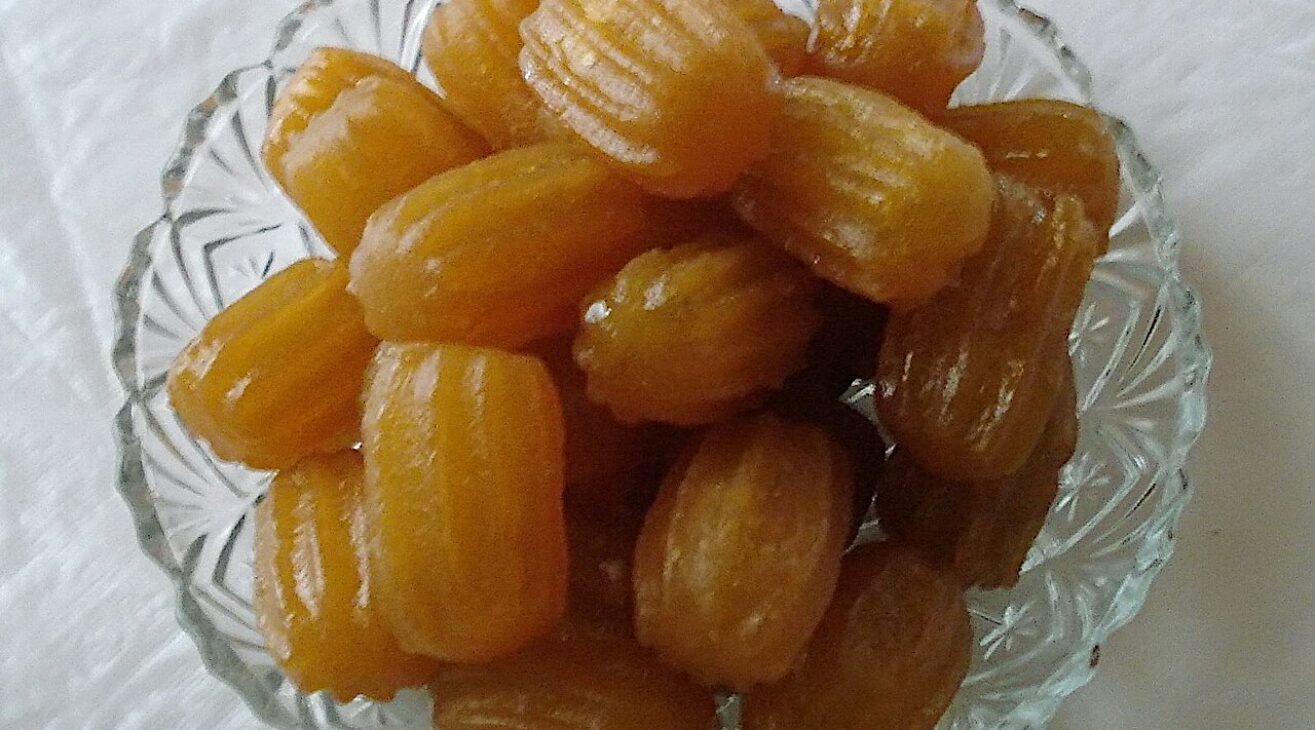
Tulumba are ridged little fingers of pastry, fried until they are deep gold and crunchy, then soaked in cold syrup so the hollow centres fill up. One bite gives you a crisp shell, a soft, custardy middle and a rush of sweet lemony syrup. People sometimes call them Turkish churros, which explains the shape but not the taste: tulumba are much juicier.
The dough is a simple choux paste, the same one used for éclairs, piped through a star nozzle into oil. The Wikipedia entry on tulumba notes that the name comes from the Ottoman Turkish word for a pump, from the Italian tromba, a nod to the way the dough is pushed out. It is a popular sweet for breaking the fast during Ramadan.
What is tulumba?
Tulumba, often called tulumba tatlısı (tulumba dessert), is deep-fried choux pastry soaked in şerbet (syrup). It belongs to a big family of fried, syruped sweets from the Arab and Ottoman kitchens, and appears in the Wikipedia list of common Turkish desserts alongside lokma. The food historian Priscilla Mary Işın dates the earliest known recipe to 1900.
Tulumba around the region
The same sweet goes by other names nearby. In Egypt and the Levant it is balah el-sham, “Levantine dates”; in Iran it is bamiyeh, after the okra it resembles; in Iraq it is datli, from the Turkish word tatlı, sweet. It is also eaten across Greece and the Balkans.
Ingredients
Makes about 30. You will need a piping bag fitted with a large open star nozzle (about 1.5cm).
For the syrup
- 400g granulated sugar
- 350ml water
- 1 tbsp lemon juice
For the dough
- 250ml water
- 50g unsalted butter
- 1 tbsp sunflower oil
- 1 tbsp sugar
- A pinch of salt
- 160g plain flour
- 1 tbsp fine semolina
- 1 tbsp cornflour
- 2 medium eggs, at room temperature
For frying
- About 1 litre sunflower oil
How to make tulumba
1. Make the syrup
Boil the sugar and water for 10 minutes, add the lemon juice and leave to cool completely. Put it in the fridge if you are short of time; it needs to be cold.
2. Cook the dough
Put the water, butter, oil, sugar and salt in a pan and bring to the boil. Tip in the flour, semolina and cornflour all at once and beat hard with a wooden spoon over a low heat for 2 to 3 minutes, until the dough forms a smooth ball that leaves the sides of the pan.
3. Cool and add the eggs
Transfer the dough to a bowl and leave to cool for 10 minutes. Beat in the eggs one at a time, mixing thoroughly after each, until the dough is smooth, glossy and thick enough to hold ridges when piped.
4. Pipe into barely warm oil
Pour the oil into a wide, deep pan and warm it gently to about 120°C: warm, not sizzling. Spoon the dough into the piping bag and pipe 6cm lengths straight into the oil, snipping them off with oiled scissors. Fill the pan in a single layer with space to swell.
5. Fry slowly
Turn the heat up to medium and fry for 12 to 15 minutes, turning, as the oil rises to around 170°C. The tulumba will puff, then slowly turn deep golden. Starting cool and frying slowly is what dries out the inside and makes them crisp.
6. Soak
Lift them out with a slotted spoon, drain for a few seconds and drop them straight into the cold syrup. Leave for 3 to 4 minutes, turning, so they soak right through. Lift onto a plate and serve once cool.
Watch: how to make tulumba
This video shows the dough, piping and slow frying in detail.
Tips for the best tulumba
- Do not pipe into hot oil. The outside sets too fast and the tulumba split or stay raw inside.
- Hot tulumba, cold syrup. If the syrup is warm, they go soft.
- Add the eggs gradually. If the dough becomes too runny it will not hold its ridges.
- Use a large star nozzle with wide teeth; the ridges help the syrup cling.
- Tulumba keep for a day at room temperature but are best on the day they are made. Do not refrigerate.
What to serve with tulumba
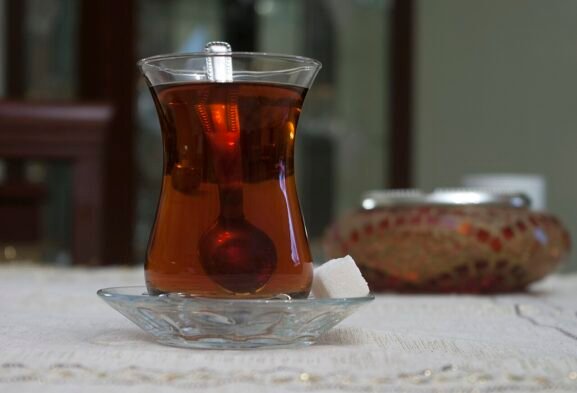
Tulumba are rich and sweet, so serve them with tea rather than coffee: a glass of çay brewed in a çaydanlık is ideal. They make a good pair with lokma for a fried-sweets platter, or sit them next to a few pieces of baklava.
Where to eat tulumba in London
Turkish patisseries in London usually keep tulumba in the counter next to the baklava, and some fry them fresh. Browse our desserts and baklava listings and our London baklava guide to find them.
- AntepHan Baklava & Künefe – Turkish desserts & baklava in Enfield
- Şehr-i Antep Enfield – Turkish desserts & baklava in Enfield
- Mehmet Efendi 1953 Whitechapel – Turkish desserts & baklava in Whitechapel
- Ayintap Pastanesi – Turkish bakery & börek in Edmonton
- Kahve Dünyası Piccadilly – Turkish desserts & baklava in Soho & West End
- Hafız Mustafa 1864 Knightsbridge – Turkish desserts & baklava in Knightsbridge
See all 15 Desserts & Baklava places in London
Tulumba FAQs
Why do my tulumba go soft?
Usually the syrup was not cold enough, or they were fried too quickly in very hot oil and stayed damp inside. Fry them low and slow, and chill the syrup.
Why did my tulumba burst in the oil?
The oil was too hot when you piped them in. Start at around 120°C and let the temperature rise as they cook.
Is tulumba the same as churros?
The shape is similar, but churros are rolled in sugar and eaten dry, while tulumba are soaked in syrup and much softer in the middle.
Can I bake tulumba instead of frying them?
You can pipe the dough onto a lined tray and bake at 200°C (180°C fan) for about 25 minutes, then soak them. They will be closer to small éclairs: pleasant, but without the crunch of the fried version.
Photo: Maderibeyza, CC BY-SA 3.0, via Wikimedia Commons.